EN 856 4SP vs 4SH vs SAE 100R12, R13 & R15: Hydraulic Hose Comparison
When selecting a high-pressure hydraulic hose, customers often come across specifications such as EN 856 4SP, EN 856 4SH, SAE 100R12, SAE 100R13 and SAE 100R15.
At first glance, these hoses may look very similar. Most of them use spiral steel-wire reinforcement and are designed for high-pressure hydraulic applications. However, they are not simply interchangeable.
Understanding the differences between these standards can help you choose the right hydraulic hose for pressure, impulse, flexibility and application requirements.
1. What Do EN 856 4SP, 4SH and SAE 100R12/R13/R15 Have in Common?
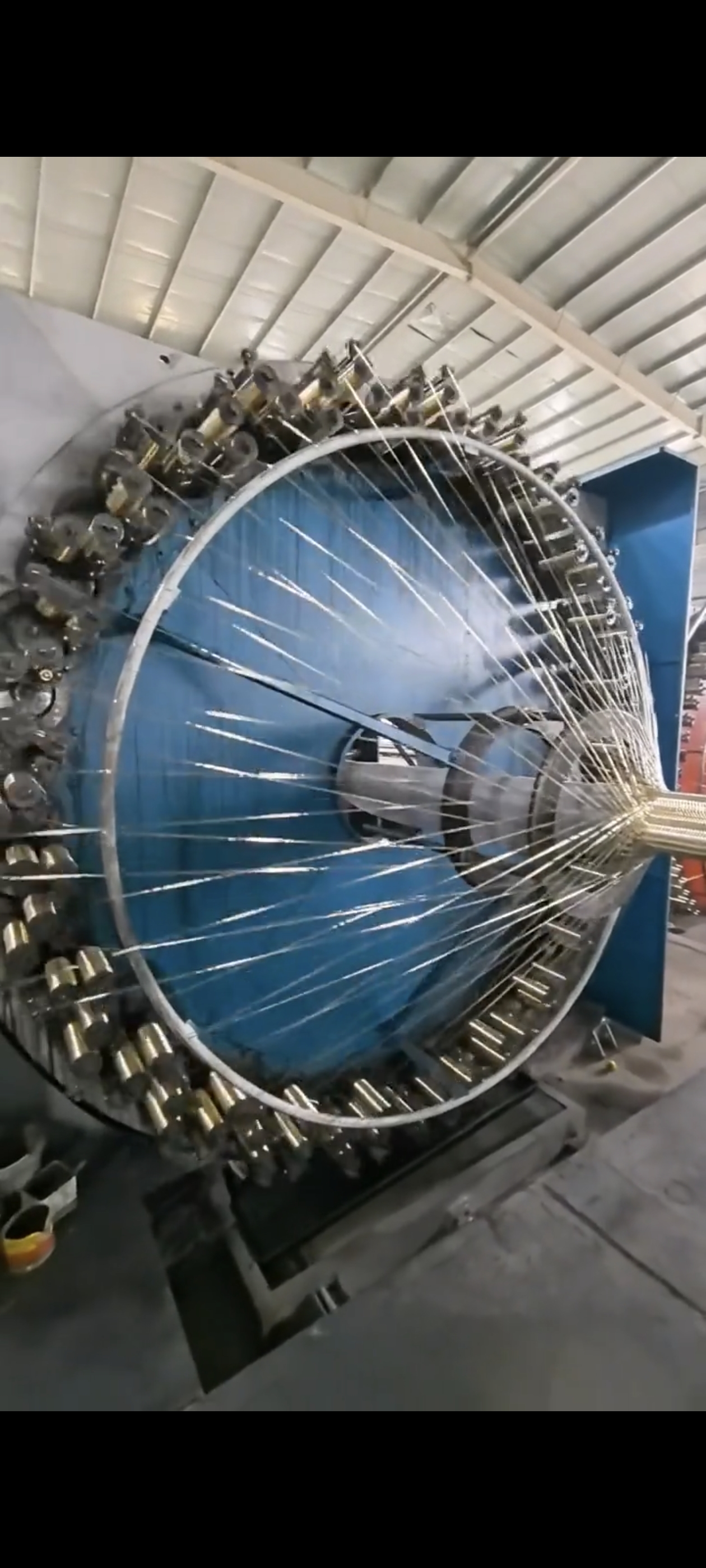
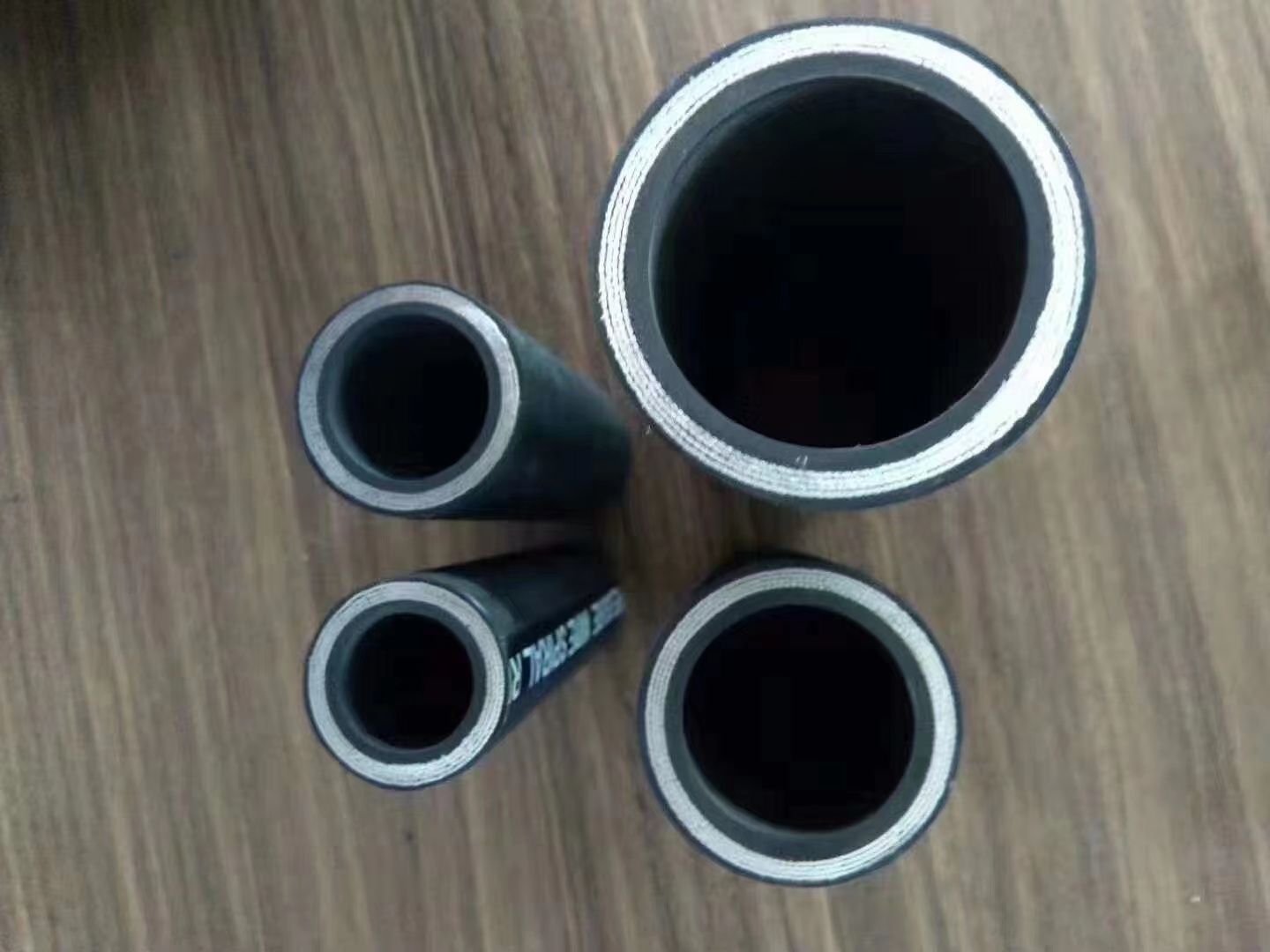
The biggest similarity is their basic construction and application.These hose types are designed for demanding hydraulic systems and generally use spiral high-tensile steel-wire reinforcement to provide high pressure and good resistance to pressure pulses.
They are commonly used in:
Construction machinery
Mining equipment
Excavators
Loaders
Hydraulic presses
Heavy-duty industrial equipment
Oil and gas equipment
High-pressure hydraulic systems
However, the exact construction, pressure rating, bend radius and performance requirements depend on the specific standard and hose size.
For example, Gates lists products that meet SAE 100R12, EN 856 4SP and other specifications, demonstrating that one hose design can sometimes meet multiple standards when its performance satisfies the relevant requirements.
Therefore, a standard number should not be treated as a direct one-to-one equivalent of another standard.
2. EN 856 4SP vs EN 856 4SH
Both EN 856 4SP and EN 856 4SH are European high-pressure spiral-wire hydraulic hose specifications.The main difference is their performance requirements and intended duty level.
EN 856 4SP
4SP is a high-pressure, four-wire spiral hydraulic hose designed for demanding hydraulic applications.
It provides a combination of:
High working pressure
Good impulse resistance
High mechanical strength
Suitable flexibility for a spiral-wire hose
It is widely used in mobile hydraulic equipment and industrial hydraulic systems.
EN 856 4SH
4SH is a heavy-duty four-wire spiral hose specification intended for particularly demanding hydraulic applications.
Compared with 4SP, 4SH generally represents a more robust construction and higher performance level in applicable sizes.
However, 4SH should not simply be described as “4SP with a higher pressure.” The actual pressure rating depends on hose size and the manufacturer's design.
This distinction is important when selecting a replacement hose.
3. SAE 100R12 vs SAE 100R13
Both SAE 100R12 and SAE 100R13 are spiral-wire hydraulic hose specifications under the SAE J517 family.SAE 100R12
SAE 100R12 is a high-pressure, four-wire spiral hydraulic hose specification.
It is commonly selected for high-pressure hydraulic applications where strong pressure-pulse performance is required.
SAE 100R13
SAE 100R13 is intended for higher-demand, high-pressure and high-impulse hydraulic applications.
It is commonly found in heavy-duty equipment such as construction and mining machinery.
For example, Gates describes its R13 hose as being designed for extremely high-pressure and high-impulse applications and specifies 5,000 psi constant working pressure for its particular product range.
This illustrates an important point:
The SAE standard defines performance requirements, but the actual working pressure must always be checked by hose size and manufacturer specification.
4. SAE 100R15: Designed for Extremely High Pressure
SAE 100R15 is another high-pressure spiral-wire hose specification, generally associated with extremely high-pressure and high-impulse applications.It is commonly used in demanding applications such as:
Heavy construction equipment
Mining machinery
High-pressure hydraulic systems
Hydrostatic transmissions
Severe-duty mobile hydraulics
For example, Gates' EFG6K product is designed to meet SAE 100R15 requirements and is rated at 6,000 psi constant pressure across its specified sizes.
Again, this is a product-specific rating, not a universal pressure rating for every R15 hose.
5. Quick Comparison: 4SP, 4SH, R12, R13 and R15
Hose specification Typical construction General positioning Typical applicationEN 856 4SP 4-wire spiral High pressure Mobile & industrial hydraulics
EN 856 4SH 4-wire spiral Heavy-duty high pressure Severe-duty hydraulic systems
SAE 100R12 4-wire spiral High pressure Construction & industrial hydraulics
SAE 100R13 Multi-layer spiral Very high pressure / high impulse Construction, mining & heavy equipment
SAE 100R15 Heavy-duty spiral construction Extremely high pressure Severe-duty & very high-pressure systems
This table is intended as a general positioning guide. Exact working pressure, minimum bend radius and reinforcement construction must be verified against the relevant standard and manufacturer's datasheet.
6. Are 4SP, 4SH, R12, R13 and R15 Interchangeable?
Not automatically.
This is one of the most important points when purchasing or replacing hydraulic hose.
A hose may be marketed as an “equivalent” to another standard, but you should check at least the following parameters:
1. Working Pressure
The replacement hose must have a working pressure suitable for the hydraulic system.
Never select a hose only because its nominal standard appears similar.
2. Impulse Performance
Hydraulic systems generate repeated pressure pulses.
For excavators, mining equipment and other heavy-duty machinery, impulse resistance can be just as important as static working pressure.
3. Hose Size
The same standard can have different pressure ratings depending on the hose inside diameter.
Always compare the exact hose size rather than comparing standards in general.
4. Minimum Bend Radius
A hose with a higher pressure rating may not necessarily be the best choice if the installation requires a tight bend radius.
Hose flexibility and bend radius can have a major impact on service life.
5. Temperature
The hydraulic fluid temperature, ambient temperature and hose material must all be considered.
6. Fittings and Crimping
Even if two hoses have similar pressure performance, the fitting and crimping requirements may be different.
The hose and fitting combination should always be validated together.
7. Which Hose Should You Choose?
There is no universal answer that 4SP, 4SH, R12, R13 or R15 is “the best.”The right choice depends on the hydraulic system.
As a general guide:
Choose EN 856 4SP when you need a reliable high-pressure spiral hose for demanding hydraulic applications.
Choose EN 856 4SH when the application requires a more heavy-duty hose and the applicable size and pressure requirements are satisfied.
Choose SAE 100R12 for high-pressure hydraulic systems where the R12 specification is required.
Choose SAE 100R13 for applications requiring high pressure and strong impulse performance, particularly heavy-duty mobile equipment.
Choose SAE 100R15 when the system requires extremely high-pressure and high-impulse performance.
The final selection should always be based on the complete hose specification, not simply the standard name.
8. Conclusion
EN 856 4SP, EN 856 4SH, SAE 100R12, SAE 100R13 and SAE 100R15 are all important specifications for high-pressure hydraulic hoses.
Their common purpose is to provide reliable performance in demanding hydraulic systems, but their pressure requirements, construction, impulse performance, bend radius and application suitability can differ.
The most important rule is simple:
Do not replace a hydraulic hose based on the standard number alone.
Before selecting a replacement, compare:
Hose size + Working pressure + Impulse performance + Temperature + Bend radius + Application + Fitting/Crimping requirements
If you are looking for an alternative to EN 856 4SP, 4SH, SAE 100R12, R13 or R15, send us your hose size, working pressure and application. Our team can help you identify a suitable hydraulic hose solution.
 EN 856 4SP vs 4SH vs SAE 100R12, R13 & R15: Hydraulic Hose Comparison